Edge Computing & Industrial IoT Infrastructure in 2026

Edge computing processes data locally at the factory floor, delivering near-zero latency for critical IIoT applications.
🏭 Edge vs. Traditional Cloud IIoT Metrics
| Architecture Component | Edge Computing Nodes | Centralized Cloud Systems |
|---|---|---|
| Data Processing Latency | < 5 milliseconds (Real-time control) | 100 – 300 milliseconds (Delayed telemetry) |
| Network Bandwidth Cost | Significantly reduced (Filters telemetry locally) | High (Transmits raw sensor streams continually) |
| Operational Resilience | Operates offline during cloud network outages | Completely halts operations during WAN disconnects |
| Primary Industry Role | Safety shutoffs & predictive robotics maintenance | Long-term AI model training & global analytics |
Manufacturing plants, logistics hubs, and smart energy grids across North America and Western Europe are undergoing a massive transformation. Transmitting vast arrays of industrial sensor data to distant cloud servers creates bandwidth bottlenecks and intolerable processing delays.
Industrial IoT (IIoT) Infrastructure combined with localized Edge Computing solves this challenge by deploying compact processing hardware right on the factory floor. This decentralization enables instantaneous decision-making, protects operational safety, and optimizes industrial output in 2026.
1. Sub-Millisecond Latency for Smart Robotics
Assembly line automation requires microsecond precision. Edge gateways collect telemetry directly from robotic arms, enabling safety systems to halt machinery immediately if a human worker steps into a restricted area, eliminating network transmission delays.

On-site edge nodes evaluate robotic sensor signals instantly without internet dependence.
2. AI-Powered Predictive Equipment Maintenance
Unexpected machine failures cost manufacturers millions in lost productivity. Vibration and thermal sensors attached to heavy turbines send continuous data to edge servers, where machine learning algorithms spot micro-faults before total failure occurs.

Edge AI models identify mechanical degradation weeks before equipment breakdowns happen.
Use edge nodes for immediate operational decisions (like real-time quality control) and send only summarized daily telemetry to the centralized cloud for long-term strategic reporting.
3. Securing Operational Technology (OT) Networks
Connecting legacy industrial hardware to the internet opens vulnerability vectors to cyber threats. Edge micro-segmentation acts as an intelligent cryptographic firewall, isolating sensitive plant equipment while permitting authorized remote telemetry collection.
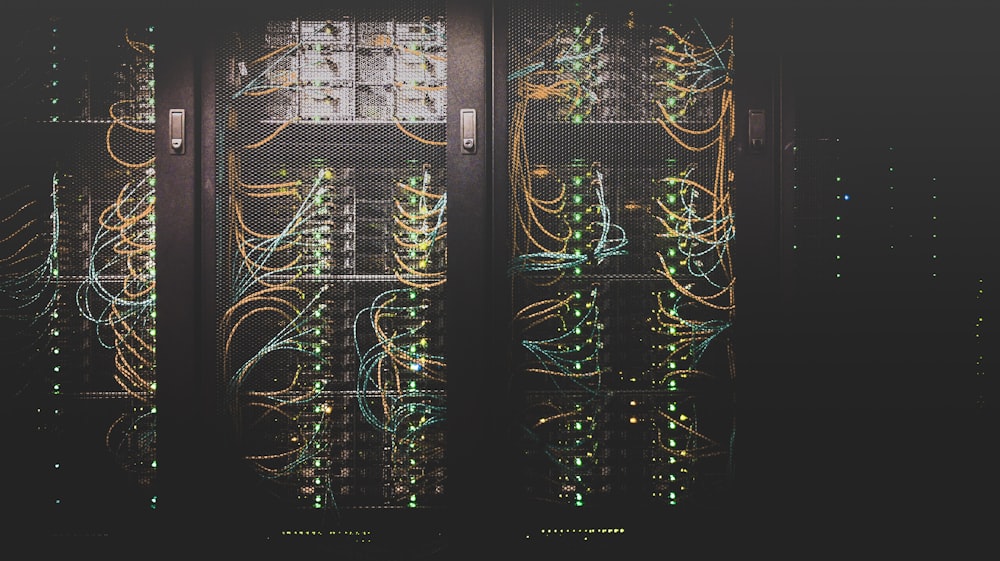
Edge gateways create secure cryptographic perimeters around physical plant machinery.
4. Optimizing Global Supply Chain Visibility
Tracking high-value pharmaceuticals or electronics in transit demands continuous environment monitoring. Edge-enabled cellular IoT trackers log temperature, humidity, and location in real time, alerting logistics managers immediately if shipment thresholds are breached.
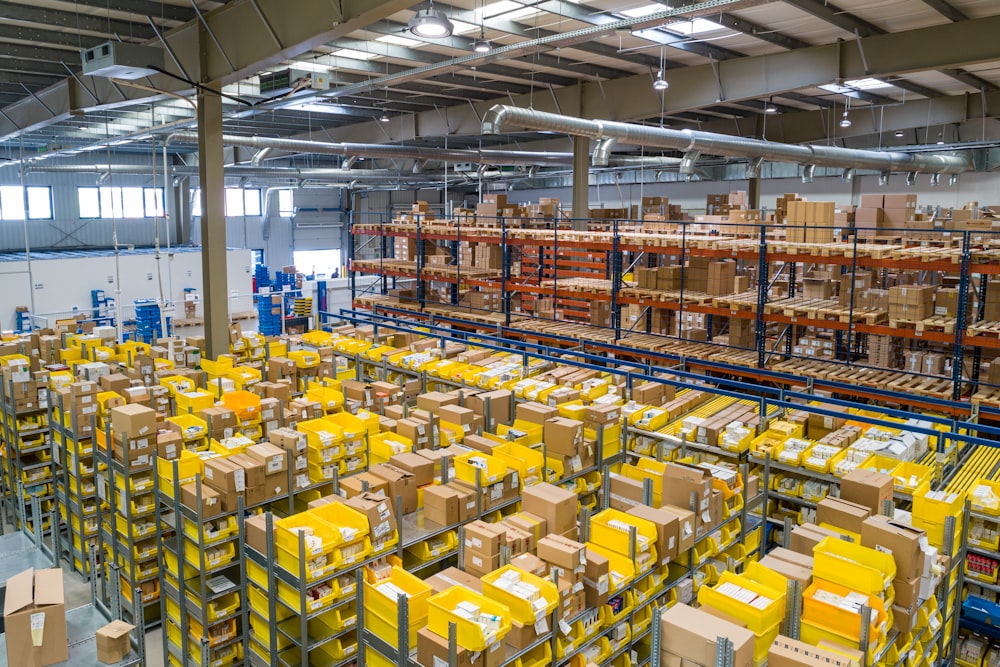
Cellular IIoT sensors continuously verify cargo climate stability across global transit routes.
5. Private 5G Networks in Industrial Edge Infrastructure
Standard Wi-Fi struggles in dense metallic plant environments. Implementing private local 5G networks provides high-density wireless coverage for thousands of IIoT sensors without packet drops or signal interference.

Private 5G connectivity powers low-latency communications across expansive manufacturing sites.
📌 Strategic Implementation Steps
Evaluate your current network bandwidth usage. Identify time-sensitive operations that lag due to cloud processing and pilot a single localized edge computing gateway on that production line.


Comments
Post a Comment
Thank you for visiting Nazim Technology. Please keep your comments respectful and relevant to the topic. Spam comments and promotional links will be removed.