Sustainable Living & Home Energy Optimization Systems in 2026

Optimizing home energy management cuts carbon footprints while dramatically lowering annual utility bills.
🌱 Home Energy Optimization Framework
| Energy Sector | Smart Tech Solution | Efficiency Gain |
|---|---|---|
| HVAC & Heating | Learning Smart Thermostats & Heat Pump Integration | 15% – 23% reduction in monthly heating/cooling costs |
| Power Generation | Rooftop Solar Panels & Home Battery Storage Systems | Provides peak-shaving energy autonomy during grid spikes |
| Lighting & Load Control | Smart Automated LED Plugs & Matter-enabled Motion Sensors | Eliminates vampire power draw across household appliances |
| Water Management | Low-Flow Aerators & Automated Smart Leak Monitors | Prevents catastrophic structural leaks & reduces water waste |
Rising electricity tariffs and environmental concerns have made energy conservation a top priority for homeowners and renters across North America and Europe. Modern sustainable living no longer requires sacrificing daily comfort—it is powered by smart automation and clean technology.
Integrating eco-friendly tech into your living space allows appliances to optimize power consumption automatically based on peak utility rates. This guide breaks down the essential steps to turn any residence into a high-efficiency home in 2026.
1. Install AI-Driven Smart Thermostats
Heating and cooling account for over 50% of typical residential energy expenditure. Smart thermostats learn your family's schedule, adjust temperatures automatically when the house is empty, and optimize HVAC run cycles according to real-time weather forecasts.

Automated climate scheduling eliminates wasted heating and cooling energy during empty hours.
2. Harness Rooftop Solar and Battery Storage
Transitioning to solar power offers financial independence from fluctuating grid prices. Combining rooftop photovoltaic panels with home battery banks allows households to store excess daylight energy and discharge it during high-rate evening hours.

Solar installations paired with battery backup systems deliver clean energy autonomy.
TVs, game consoles, and chargers consume "vampire power" even when switched off. Plugging entertainment centers into smart power strips completely cuts standby electricity when devices enter idle mode.
3. Transition to Smart Motion LED Lighting
Replacing traditional incandescent bulbs with smart LED systems drastically cuts lighting energy draw. Configuring motion sensors ensures lights automatically switch off in unoccupied rooms, extending bulb lifespans and reducing daily load.

Smart LED bulbs use up to 80% less energy compared to conventional lighting alternatives.
4. Upgrade to Heat Pump Water Heaters
Conventional electric tank water heaters constantly draw high power. Heat pump water heaters pull heat from ambient air to warm household water, consuming up to 70% less energy than standard resistance heaters.
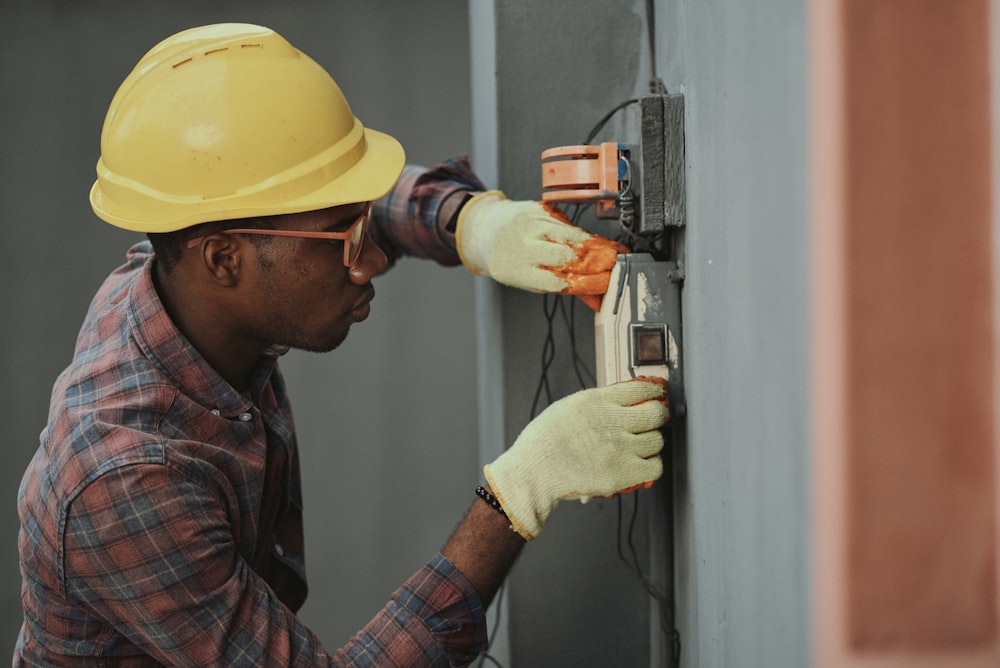
Heat pump systems convert ambient air into efficient thermal energy for domestic hot water.
5. Conduct a Professional Home Insulation Audit
Drafty windows and uninsulated attics force heating systems to work twice as hard. Sealing air leaks with weatherstripping and enhancing insulation retains indoor climate conditions effectively, reducing overall HVAC strain.
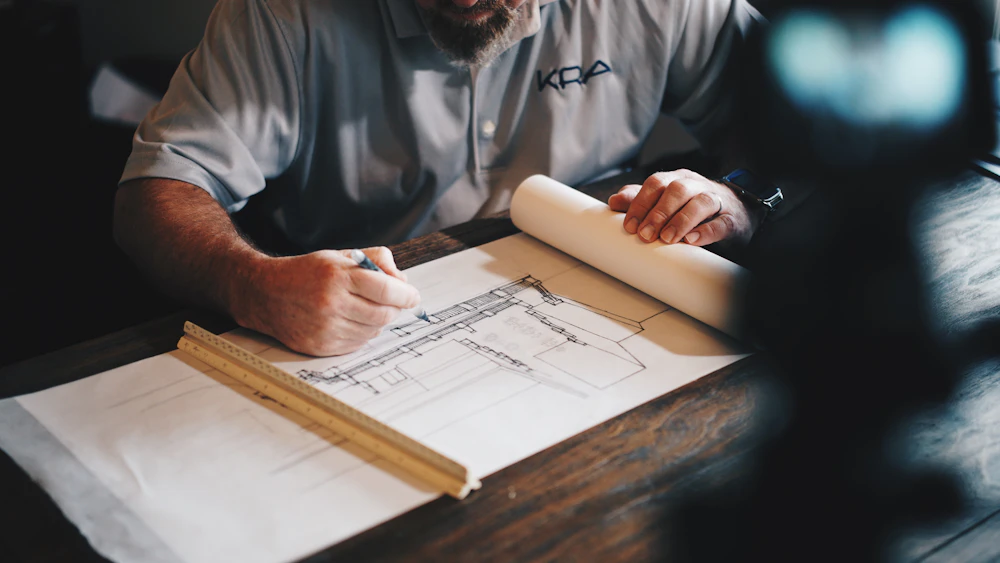
Proper thermal insulation locks indoor temperatures inside and stabilizes monthly heating costs.
📌 Final Action Step
Start today by swapping out old incandescent bulbs for smart LEDs and installing a smart thermostat. These two simple changes yield immediate reductions in your next monthly electric bill.


Comments
Post a Comment
Thank you for visiting Nazim Technology. Please keep your comments respectful and relevant to the topic. Spam comments and promotional links will be removed.